
Route Details
Steepest kilometre
The hardest continuous kilometre of Angkor Temples Outer Loop, measured from the GPX track.
- Gradient
- 1.3% Steady
- Where
- km 2.9 - 3.9
- Rise
- +13m
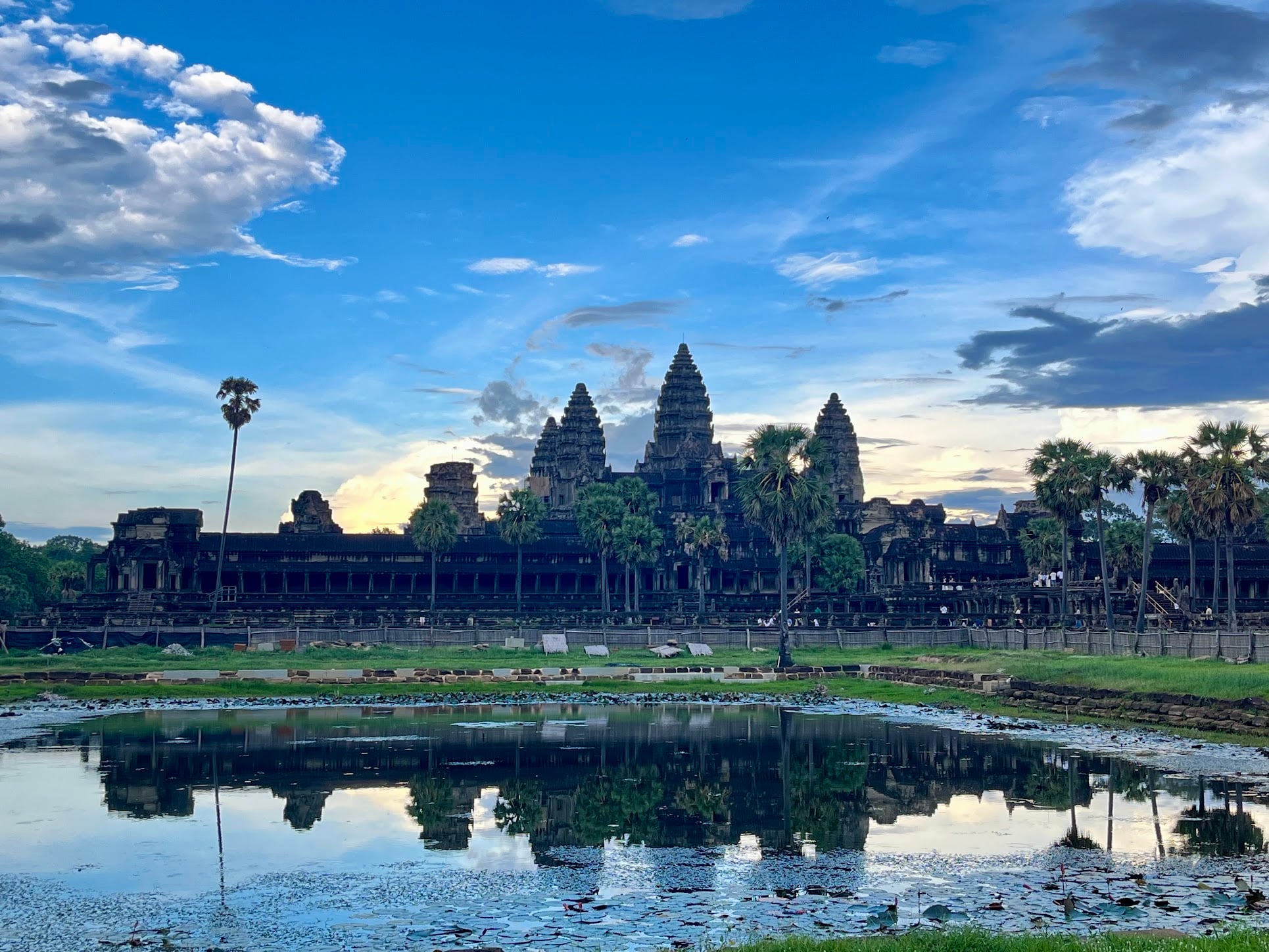
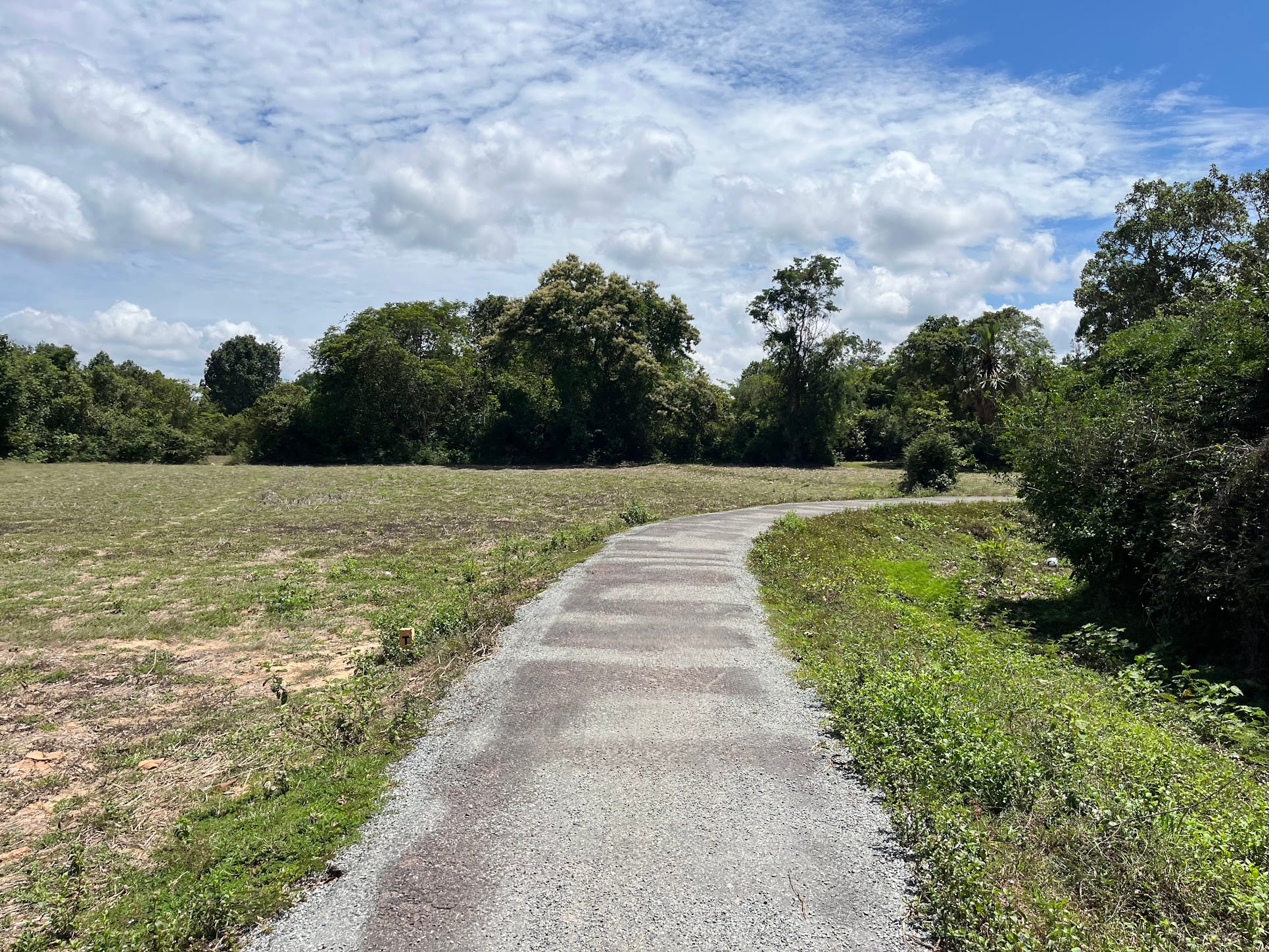
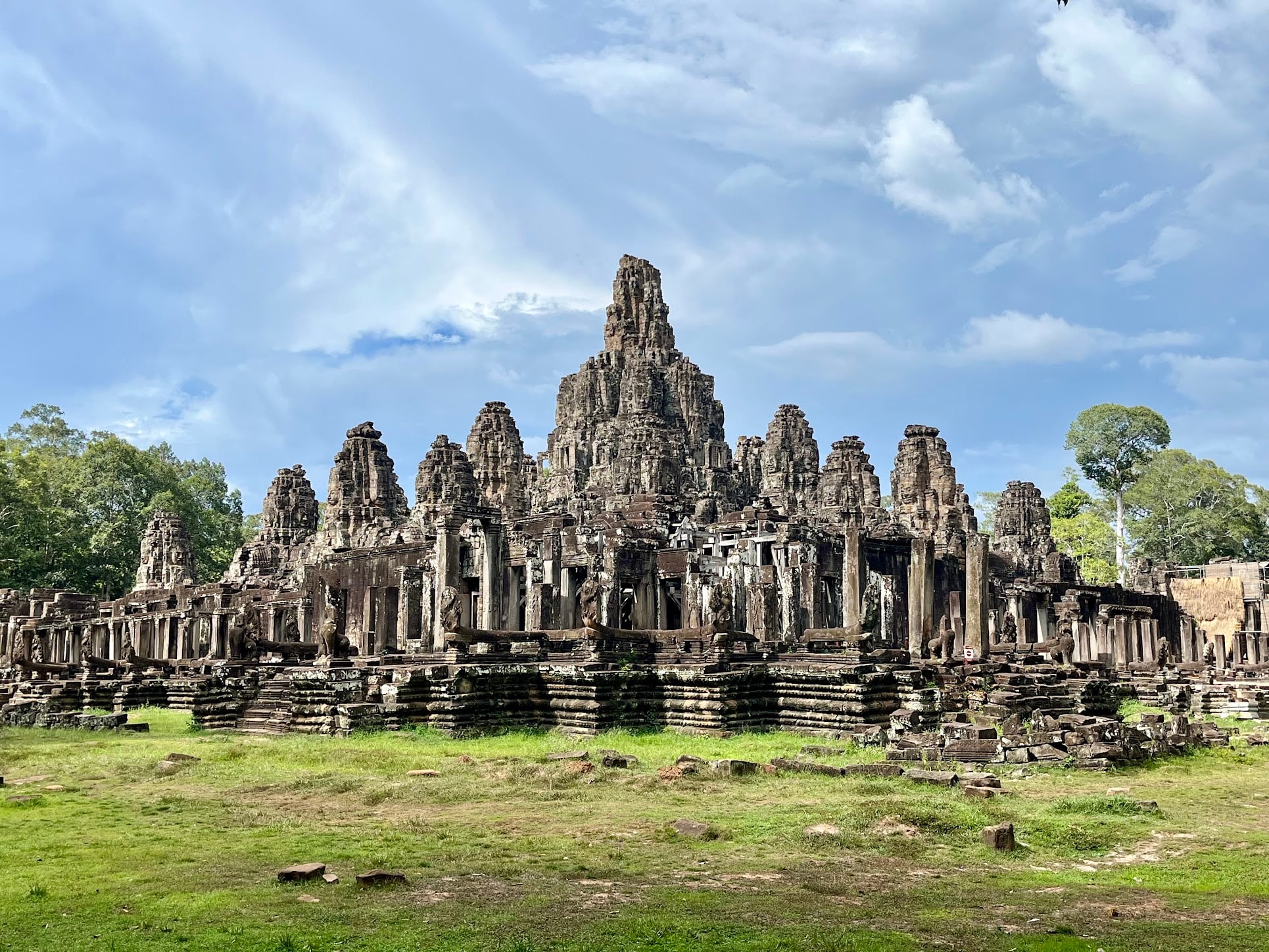
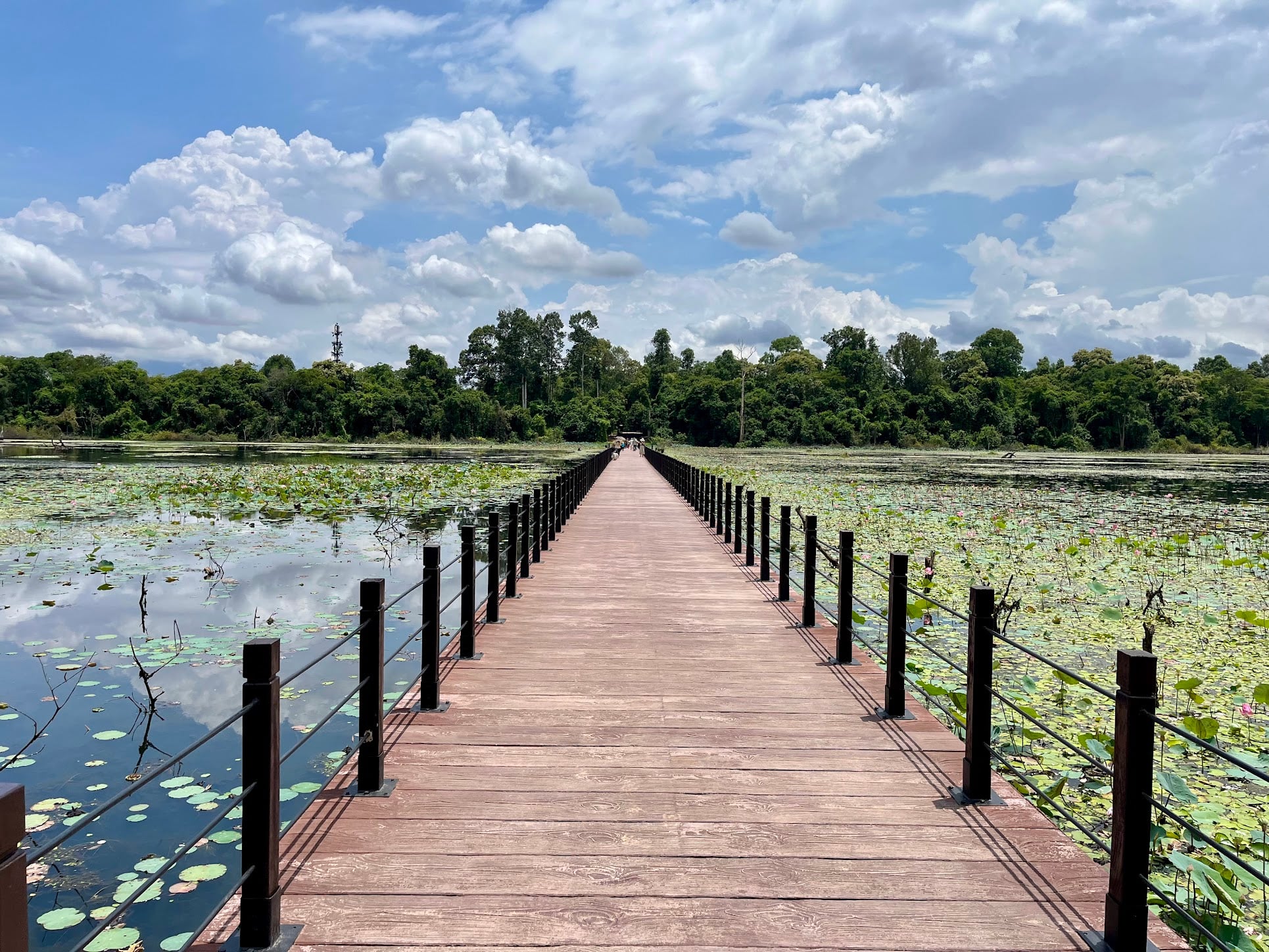
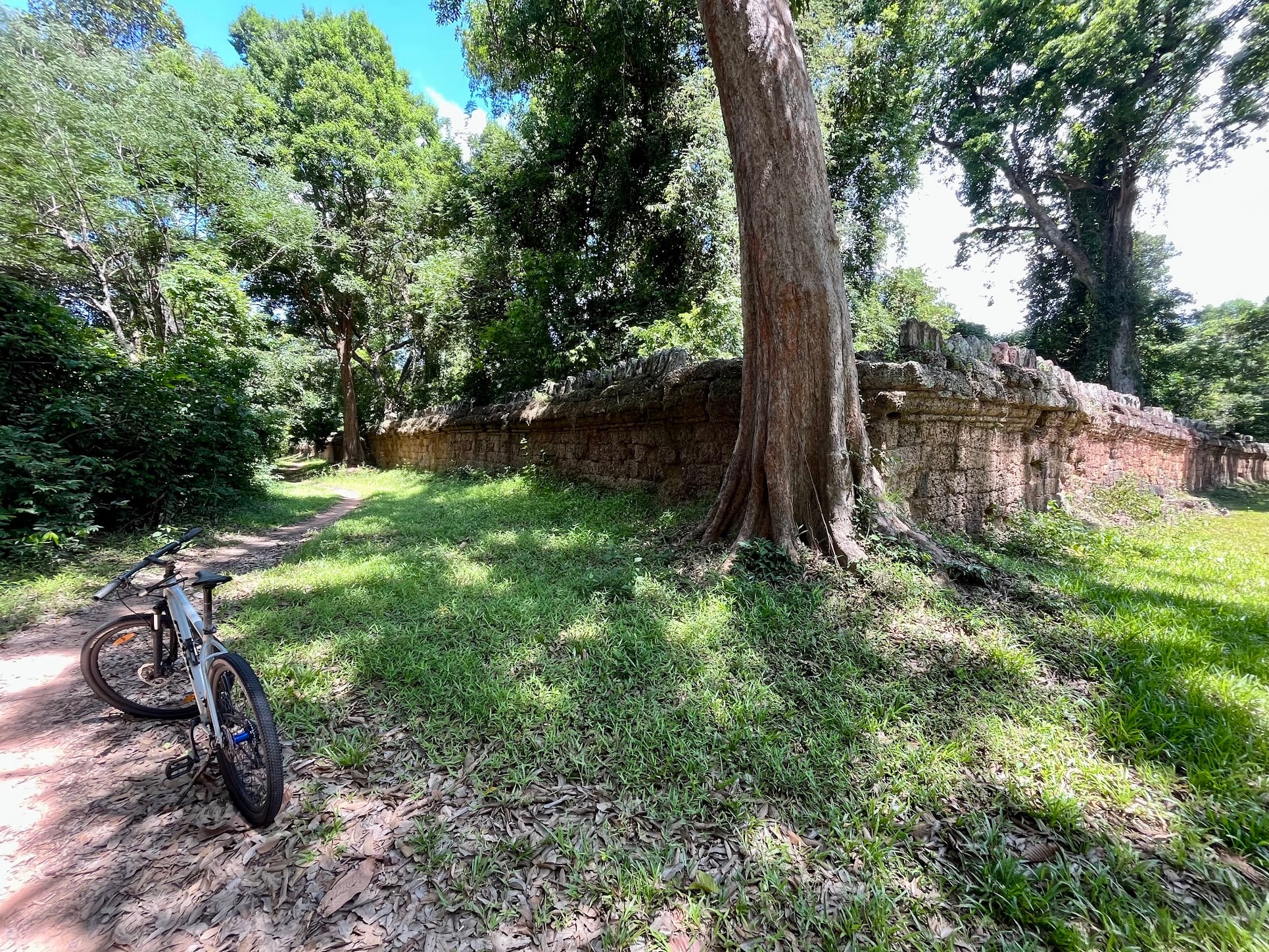
The Grand Circuit (Outer Loop) takes you beyond the main tourist spots to some lesser-known temples. About 33 kilometers, this route shows more of the architectural diversity of the Khmer Empire.
The Route
The Grand Circuit extends approximately 26 kilometers (40km total route) with 138 meters of elevation gain, taking you through temples that are often less crowded but no less impressive. This route is perfect for those who want to go beyond the iconic sites and discover the hidden gems of Angkor. This distance includes the stretch from the temple complex to the outskirts of Siem Reap.
Like the Inner Loop, this route is as flat as a pancake, making it accessible to all cyclists. The roads are in excellent condition, and you’ll find cycle tracks conveniently located next to the main roads on most of the loop. Despite the arrow-straight roads, traffic is respectful and drivers give sufficient space - they’re used to seeing tourists on bikes and the tourism-focused traffic naturally moves at a slower, safer pace.
The Outer Loop includes visits to Preah Khan, a sprawling monastic complex with intricate carvings and a labyrinthine layout; Neak Pean, a unique temple situated on an artificial island representing a mythical Himalayan lake; Ta Som, a smaller temple known for its iconic eastern gate enveloped by a massive tree; East Mebon, a temple that once stood on an island in the now-dry East Baray reservoir; Pre Rup, a temple mountain offering panoramic views, especially popular for sunset; and Bayon Temple in Angkor Thom, famous for its massive stone faces.
Why Ride It
This route shows more of Angkor’s architectural diversity, with temples from different periods. If you have more time and want to go deeper, this is worth doing.
It’s usually less crowded than the Inner Loop, so you get more peace and quiet. The temples are more spread out, so you can take your time at each one. The best part is finding temples that few other visitors reach. Being completely alone in an ancient temple, with no schedule to keep, is pretty special. That freedom is what makes cycling here worthwhile.
And let’s be honest - it’s also a good way to burn some calories after indulging in the incredible food scene in this part of the world. This particular trip for me was some holidays after a business trip, mainly consisting of hiking, biking, and cooking classes. If you ask me, that’s a good balance.
The Temples
Preah Khan is one of the largest temple complexes, built as a Buddhist monastery and university. The name means “Sacred Sword” and it’s a bit of a maze with corridors, courtyards, and galleries. The carvings are well-preserved - it’s worth taking your time here.
Neak Pean is unique - it’s built on an artificial island in the middle of a reservoir. The temple represents a mythical Himalayan lake, and the design shows how the Khmer understood the relationship between water and spiritual purification. It’s different from the other temples, which makes it interesting.
Pre Rup is a temple mountain with good views. The name means “turn the body,” referring to a cremation ritual. It’s popular at sunset when the light hits the red brick and laterite. Fun fact: laterite is a type of soil that hardens when exposed to air, which is why it was used in construction.
Practical Tips
Temple Dress Code: Remember that you must cover your body to enter the temples. Avoid wearing jeans - the heat and humidity make this a poor choice. Opt for lightweight, breathable clothing that covers your shoulders and knees. Quick-dry fabrics work best in this climate.
Alternative Transportation: If you need a break from cycling or want deeper insights, consider booking a day with Kim, the Tuk Tuk Lady. She’s Siem Reap’s first female tuk-tuk driver and comes highly recommended.
Best Time to Ride
The best time to cycle this route is during the dry season (November to February), when temperatures are more moderate and rainfall is minimal. The route can be completed in a full day, allowing you to take your time at each temple.
During the hot season (March to May), start very early in the morning and consider taking breaks at shaded temples during the hottest part of the day. The wet season (June to October) brings heavy rainfall but also fewer tourists and lush, green landscapes that make the temples feel even more ancient and mysterious.
You Might Also Like


Angkor Temples Inner Loop
The Small Circuit (Inner Loop) covers approximately 17 kilometers through the most iconic temples including Angkor Wat, Angkor Thom with Bayon Temple, Ta Prohm, Banteay Kdei, and Srah Srang. Perfect for those with limited time who want to see the must-see temples.


Serra de Monchique
Tackle the biggest climb in the Algarve – the Fóia climb in the Serra de Monchique. Ride the famous climb of the Tour of Algarve professional race.


Calar Alto
Epic climb to the otherworldly Calar Alto Observatory.