Vía Verde de la Sierra de la Demanda
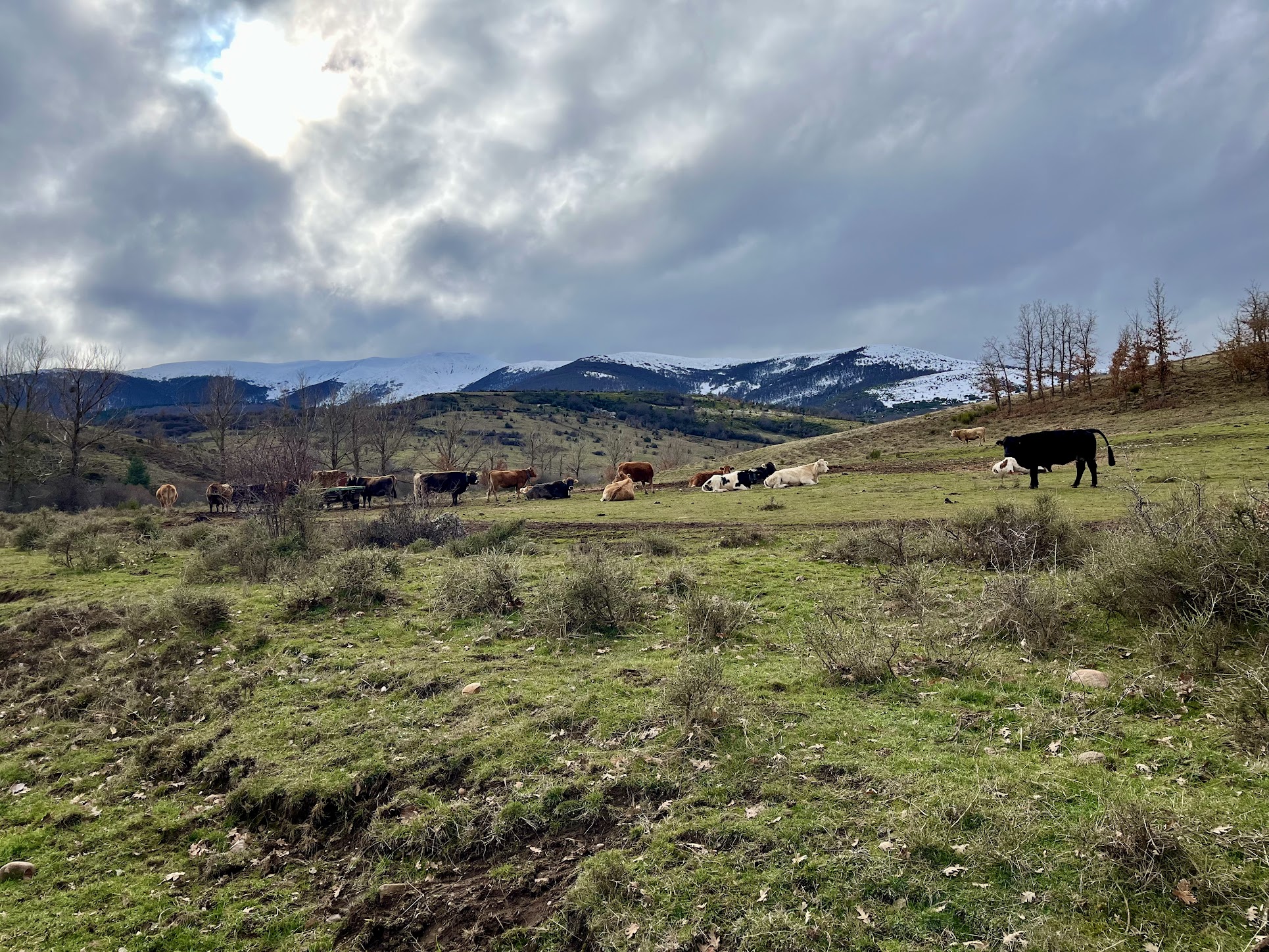
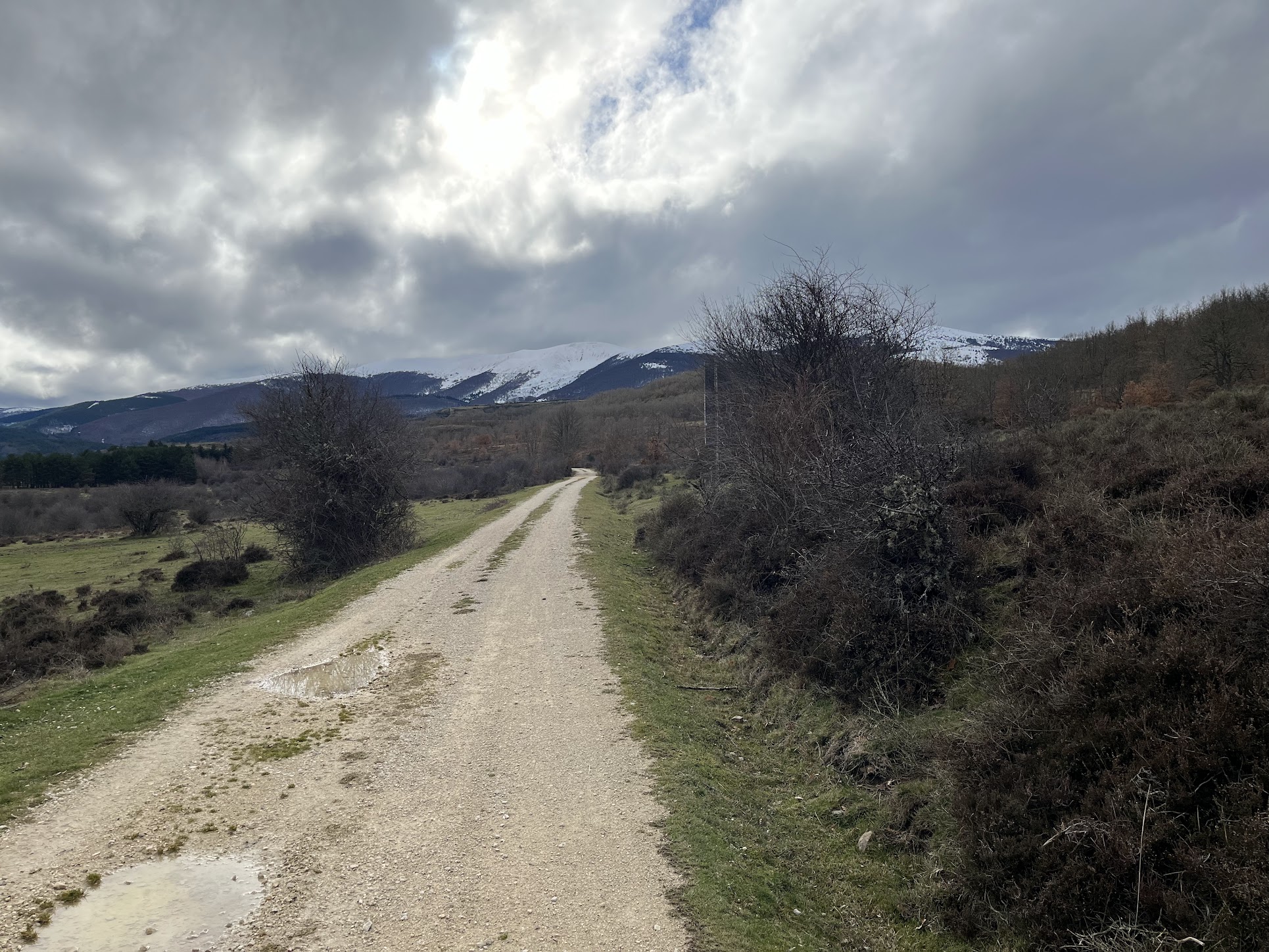
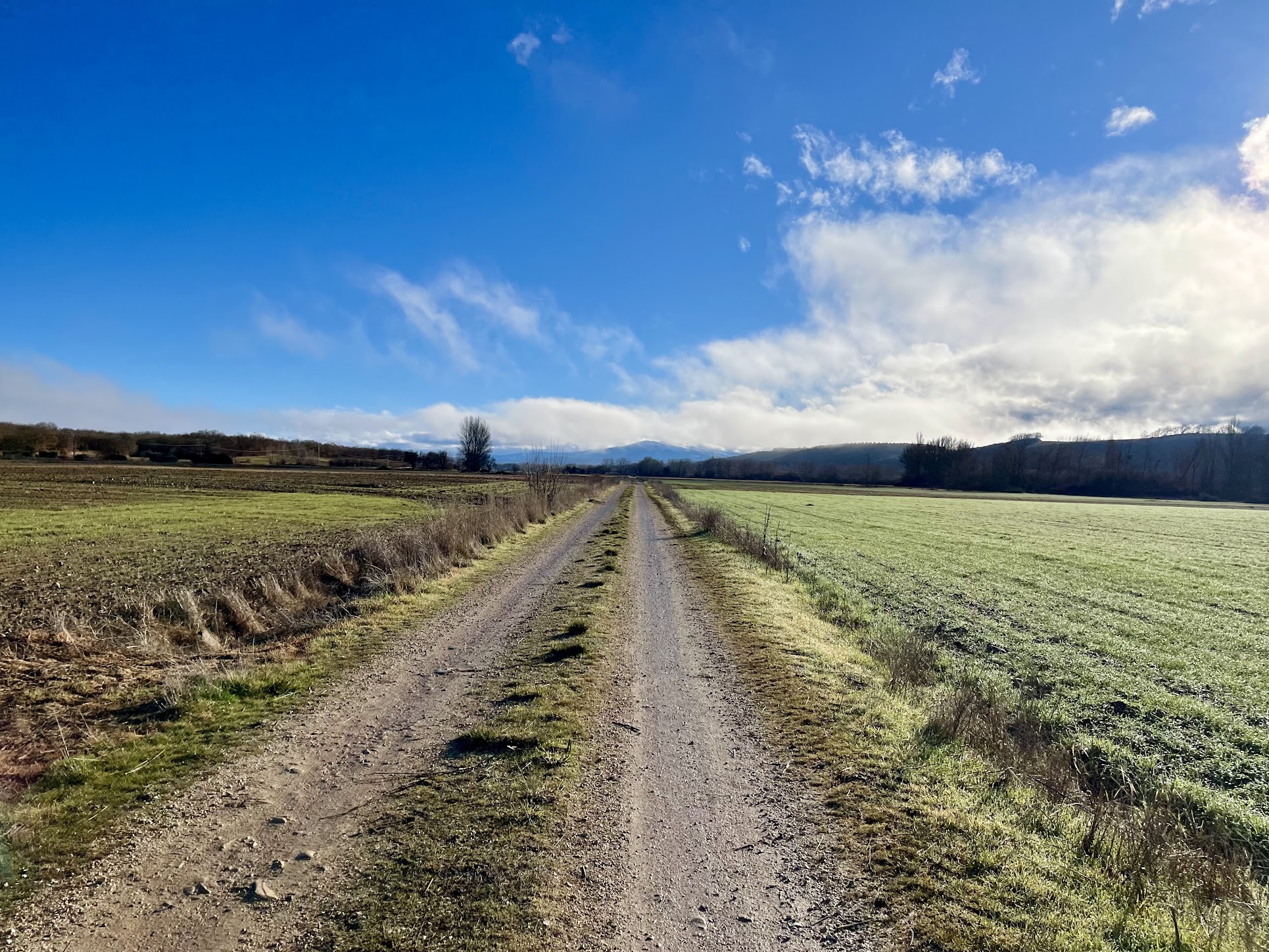
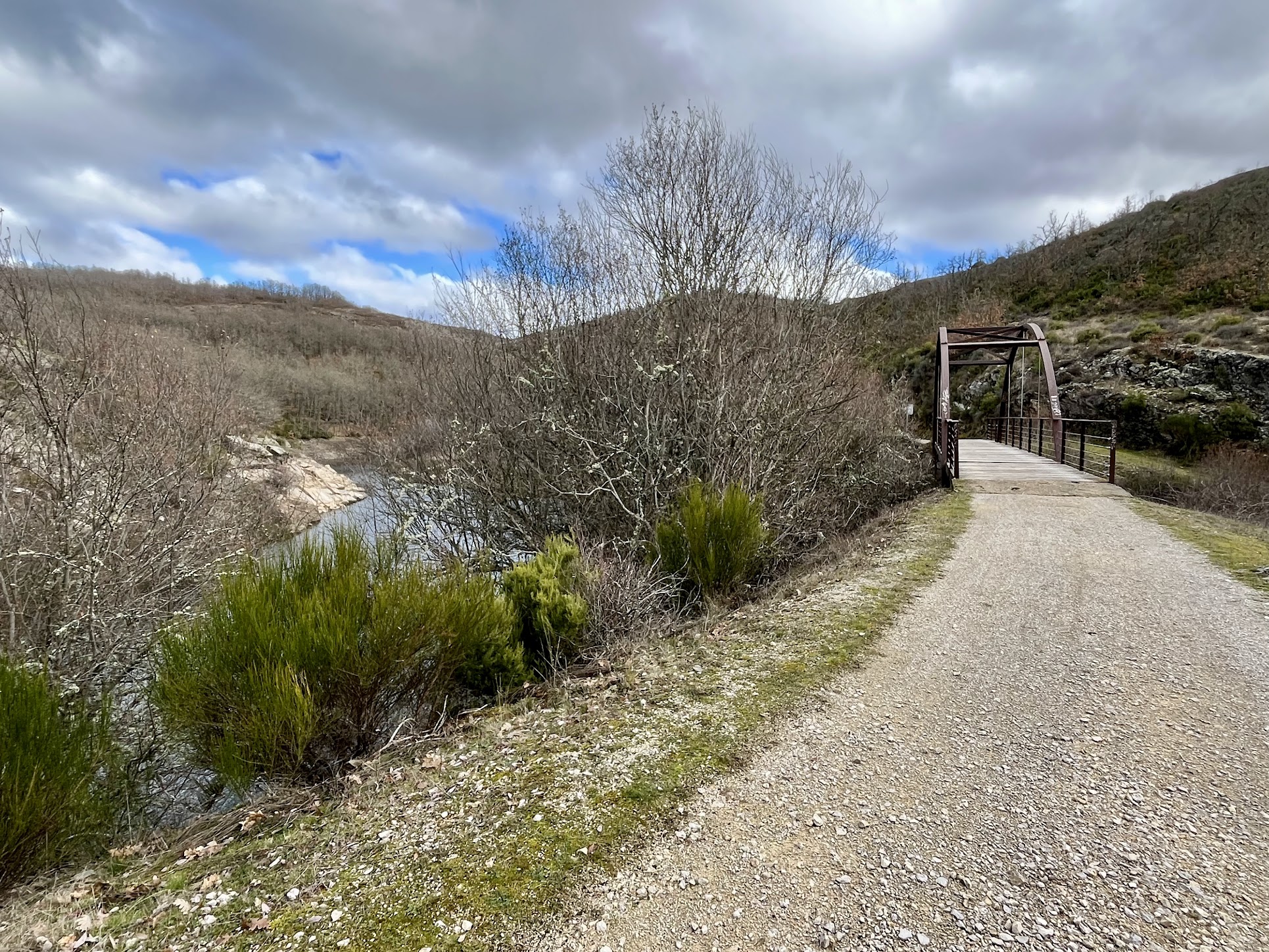
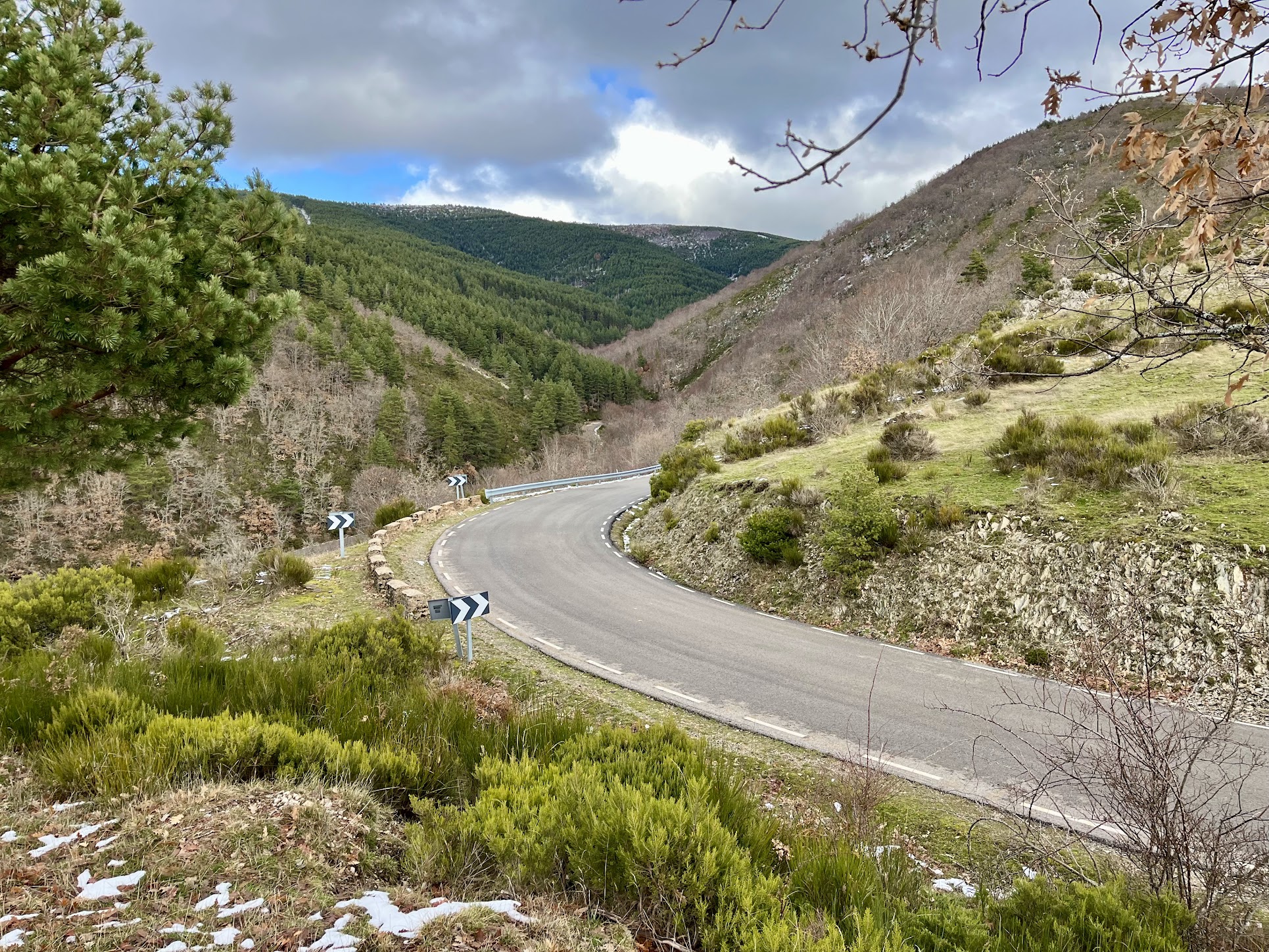
The Vía Verde de la Sierra de la Demanda offers a stunning gravel cycling route through the beautiful and quiet Sierra de la Demanda region in Burgos, northern Spain. This traffic-free path follows an abandoned railway line that once connected the mountain villages of the region, now converted into a peaceful cycling and hiking trail.
Route
This path follows the route of the former railway line that once served the Sierra de la Demanda, winding through valleys and mountain landscapes in this lesser-known part of Castilla y León. The route spans approximately 54 kilometers and is in fairly good condition, making it doable by gravel bike.
The surface varies between well-maintained gravel sections and stretches of smooth tarmac. While former railway lines typically offer gentle gradients, this route has some notable exceptions that make it more challenging than the typical via verde.
You’ll encounter three tunnels along the route. Two of these tunnels are closed and have been replaced by very steep alternative tracks. One of these detours leads to Puerto del Manquillo and reaches gradients of up to 26%, which is a serious climb that will test even the strongest riders! The third tunnel remains open but is unlit, so make sure to bring a good bike light if you plan to ride through it.
In addition to the tunnel detours, there are some parts of the original railway route itself that are weirdly steep for train tracks, which is surprising given that railways are usually built with minimal gradients. These steep sections on what was once the railway line itself add an extra layer of challenge to the ride.
Despite these challenging sections, the route is well worth the effort. It’s impossible to get lost and you don’t need to worry about traffic or tricky corners since you’re effectively riding on a train route, giving you all the time in the world to admire your surroundings. The route takes you through pine forests, past traditional stone villages, and alongside mountain streams, offering glimpses of the rich natural heritage of the Sierra de la Demanda.
One of the highlights of this route is the opportunity to see wildlife that’s common in the area, including various bird species that make their home in the mountains. The route also passes close to several charming villages where you can experience the traditional architecture and hospitality of rural Castilla y León.
A history that’s neither romantic nor successful
The railway line that this via verde follows has a history that is neither romantic nor successful. Built in the early 20th century by a British company, the narrow-gauge railway was designed to transport iron ore from the mines in the Sierra de la Demanda to Burgos.
The railway was inaugurated in 1902 with grand ambitions of connecting the mountain mines to the industrial centers. However, the venture was not successful, as it faced financial difficulties due to the high costs of transporting ore over the challenging mountain terrain. The railway closed down just 8 years later, in 1910, and was eventually dismantled in 1947.
Despite its commercial failure, the railway left behind the infrastructure that would later become this beautiful greenway, opening in 2004 for cyclists, hikers, and equestrians. Today, as you ride along this peaceful path, you’re following the ghost of a railway that never quite achieved its dreams, but in its failure, it created something far more valuable for future generations.
The landscape
The Sierra de la Demanda forms part of the Sistema Ibérico mountain range, known for its beautiful forests, mountain peaks, and traditional rural landscapes. Unlike the more arid regions of southern Spain, this area is characterized by green valleys, flowing streams, and dense forests, particularly of pine and oak.
Besides the beautiful landscape with views as far as the eye can reach, Burgos is a beautiful little city worth visiting. The historic center features stunning Gothic architecture, including the magnificent Burgos Cathedral, and offers a perfect base for exploring the surrounding cycling routes.
The route offers a wonderful contrast to the more popular cycling destinations in Spain, providing a taste of the quieter, more authentic side of the country. While much of the route follows gentle railway gradients, the alternative tracks around the closed tunnels add significant challenge to the ride, so be prepared for some serious climbing.
Fueling up
The route itself doesn’t have cafes or rest areas along the way, but you’ll pass through some villages that have cafeterías where you can stop for a break and refreshments. For those in a hurry, there are fuentes (fountains) with drinkable water along the route where you can fill up your water bottles. However, it’s always wise to carry sufficient water and snacks, especially if you’re planning to ride the entire length.
The villages along or near the route offer traditional Spanish bars and restaurants where you can enjoy local specialties. The region is known for its excellent local cuisine, so don’t miss the chance to sample some traditional Castilian dishes if you have the time.
Since the route is relatively remote in places, make sure to bring all necessary tools and spares, as services may be limited. Mobile phone coverage can be patchy in some sections, so it’s advisable to let someone know your plans before setting off.